
Reggio Emilia and Pikler inspired early learning

My Reggio Kindy GardenReggio Academy Castle Hill
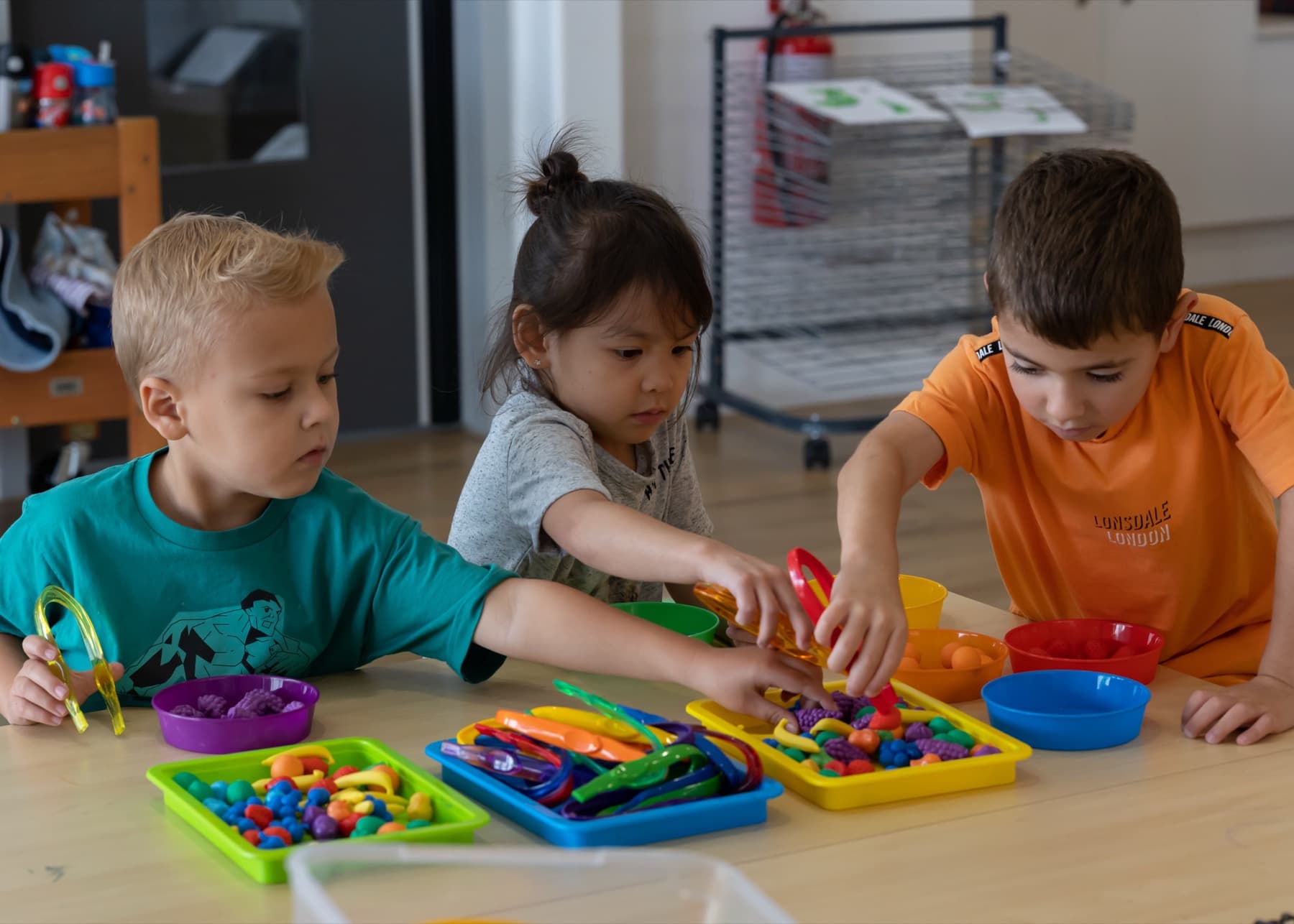
Children sorting colourful pieces at a table

Our approach

Children are active constructors of knowledge.

Our child-led curriculum is inspired by the Reggio Emilia and Pikler philosophies and follows the Early Years Learning Framework. We believe even the simplest tasks can spark a child’s curiosity and lead to the greatest learning projects.

Reggio Emilia

Play is a springboard for learning.

Loris Malaguzzi, the psychologist behind the Reggio Emilia approach, explained that children are ‘active constructors of knowledge’ who express their learning through ‘100 languages’.

Our educators draw on this by giving children an environment they can freely explore, guiding their play, and encouraging them to investigate, form ideas, test them, and show what they understand through drawing, sculpture, dramatic play and writing.

“Every day, in a 100 small ways, our children ask, ‘Do you hear me? Do you see me? Do I matter?’ Their behavior often reflects our response.”

L.R. Knost

Five key areas

How learning happens in our rooms.

Our approach to learning is divided into five key areas.
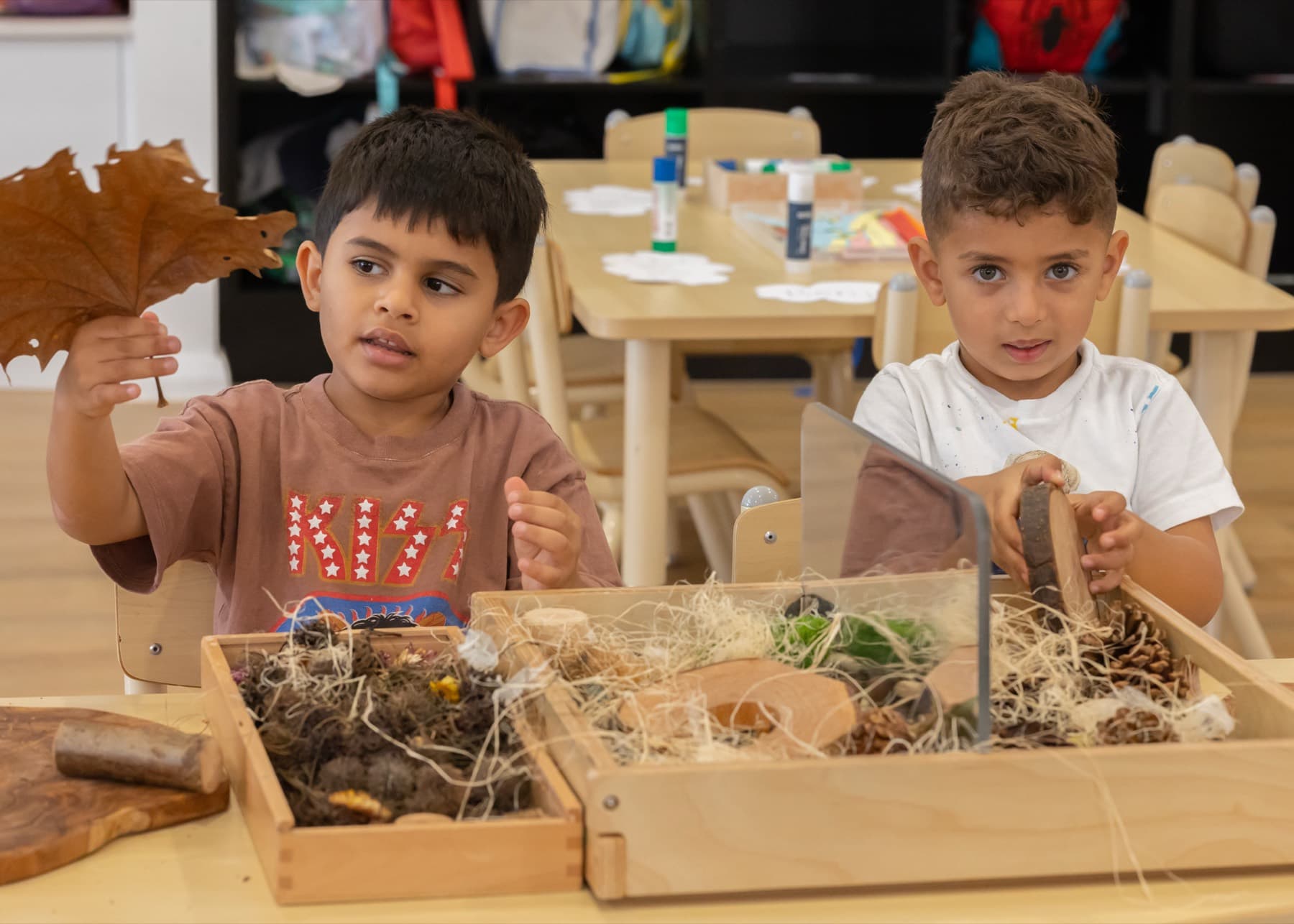
Children exploring leaves and natural materials in timber trays
01

Projects

We recognise the potential of young children to question, reflect, problem solve, theorise, experiment and express their findings. We encourage children to develop their ideas over time, to discuss new ideas, to revisit, and to see the progression of their thinking as independent learners.
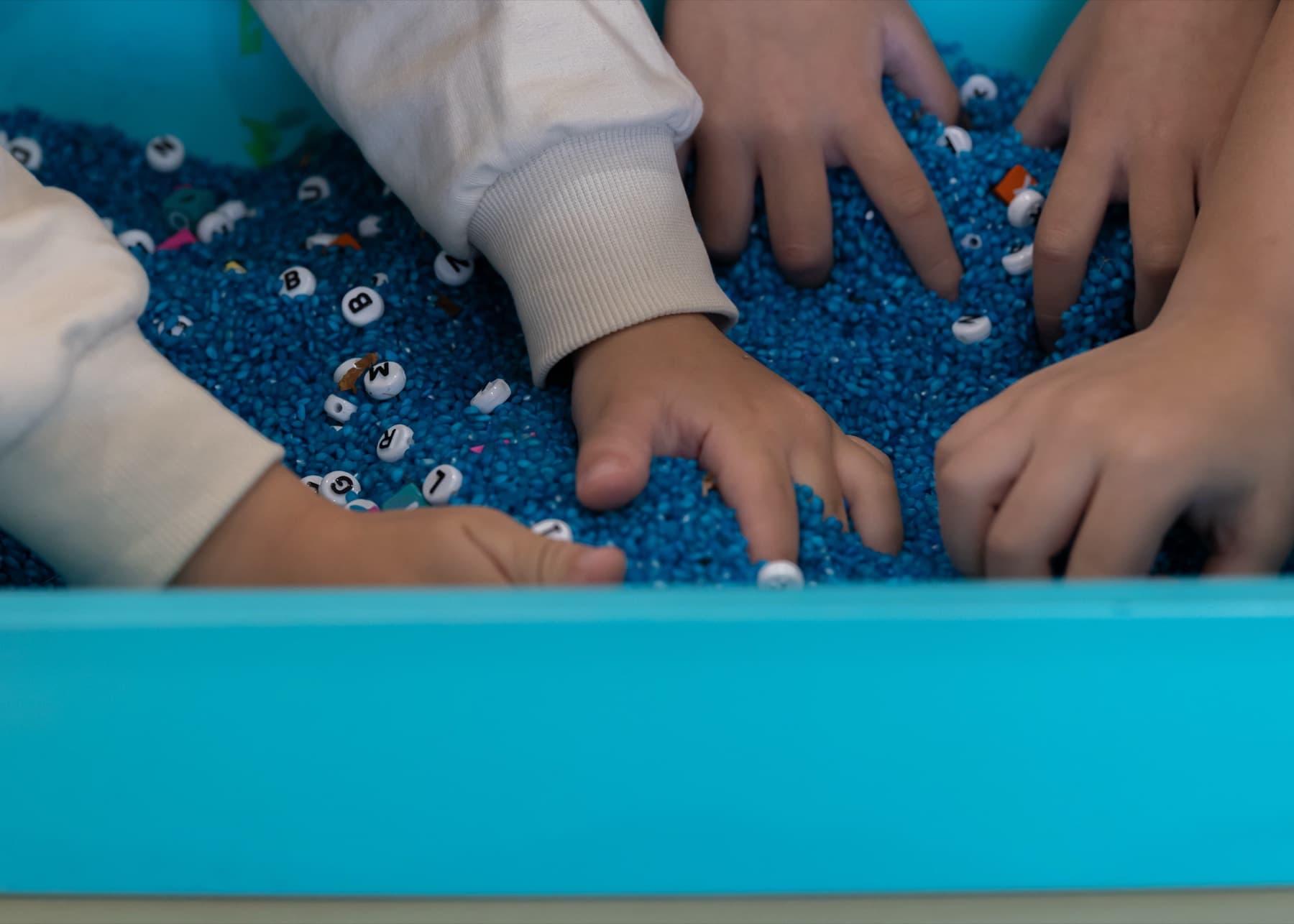
Small hands exploring a tray of sensory play
02

Sensorial

Sensorial classrooms were designed by Malaguzzi to help children explore the world around them. Materials are presented in an artistic, aesthetically pleasing way that invites children to touch, admire and explore before they ask what a material is for and how it can be used.

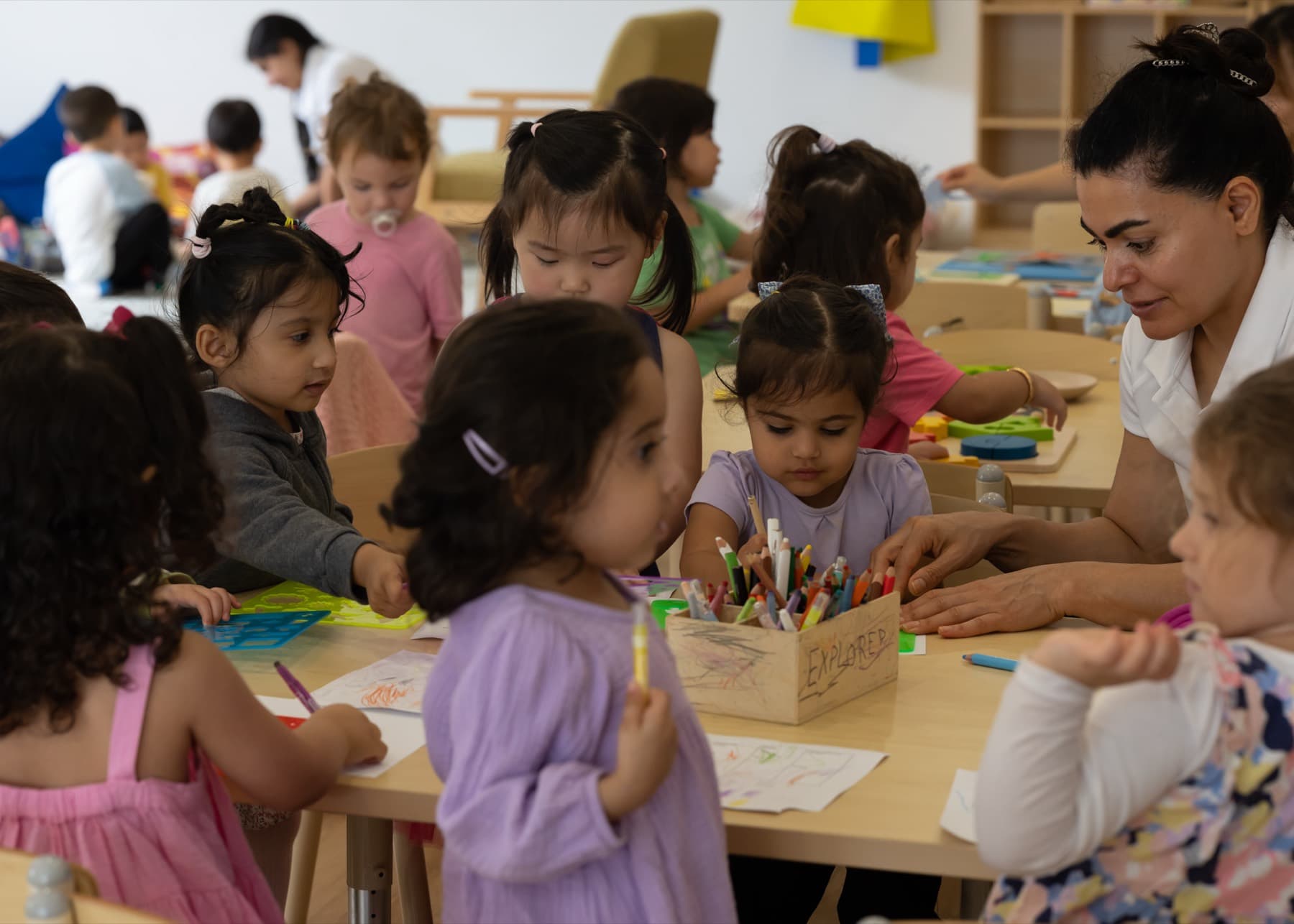
Children drawing and painting together at a table
03

Languages

Consistent with Howard Gardner's idea of multiple intelligences, children present their ideas in many forms: print, art, construction, drama, music, puppetry and shadow play. Through these '100 languages' children express, explore and connect their thoughts, feelings and imaginings.

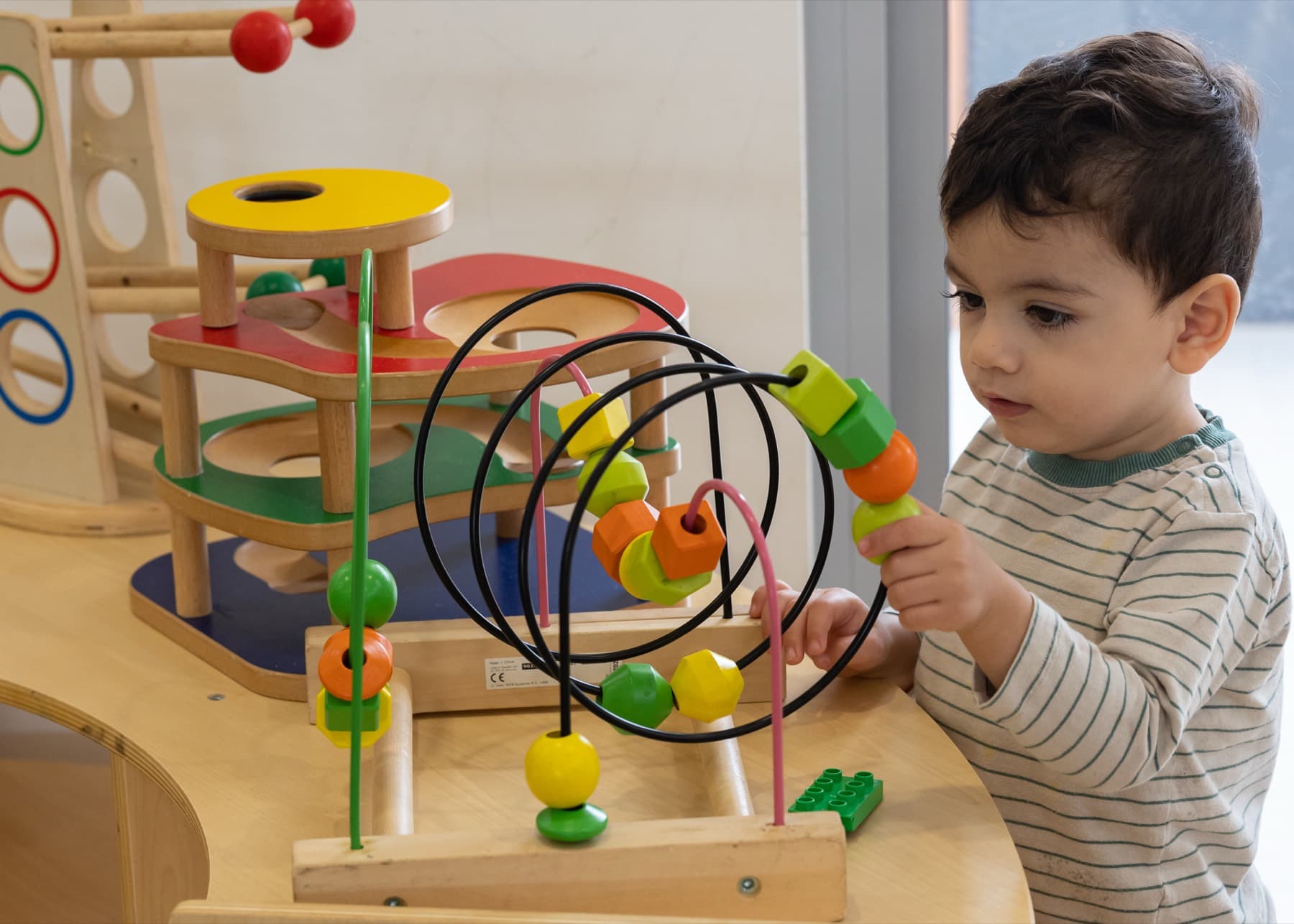
A child concentrating on a bead maze
04

Research

Children are born researchers. Play is driven by their interests, their questions and the world they live in, and the chance to run their own research and explorations builds independence and creative thinking. Much like a story, a research project may have a beginning, middle and end that develops over time.

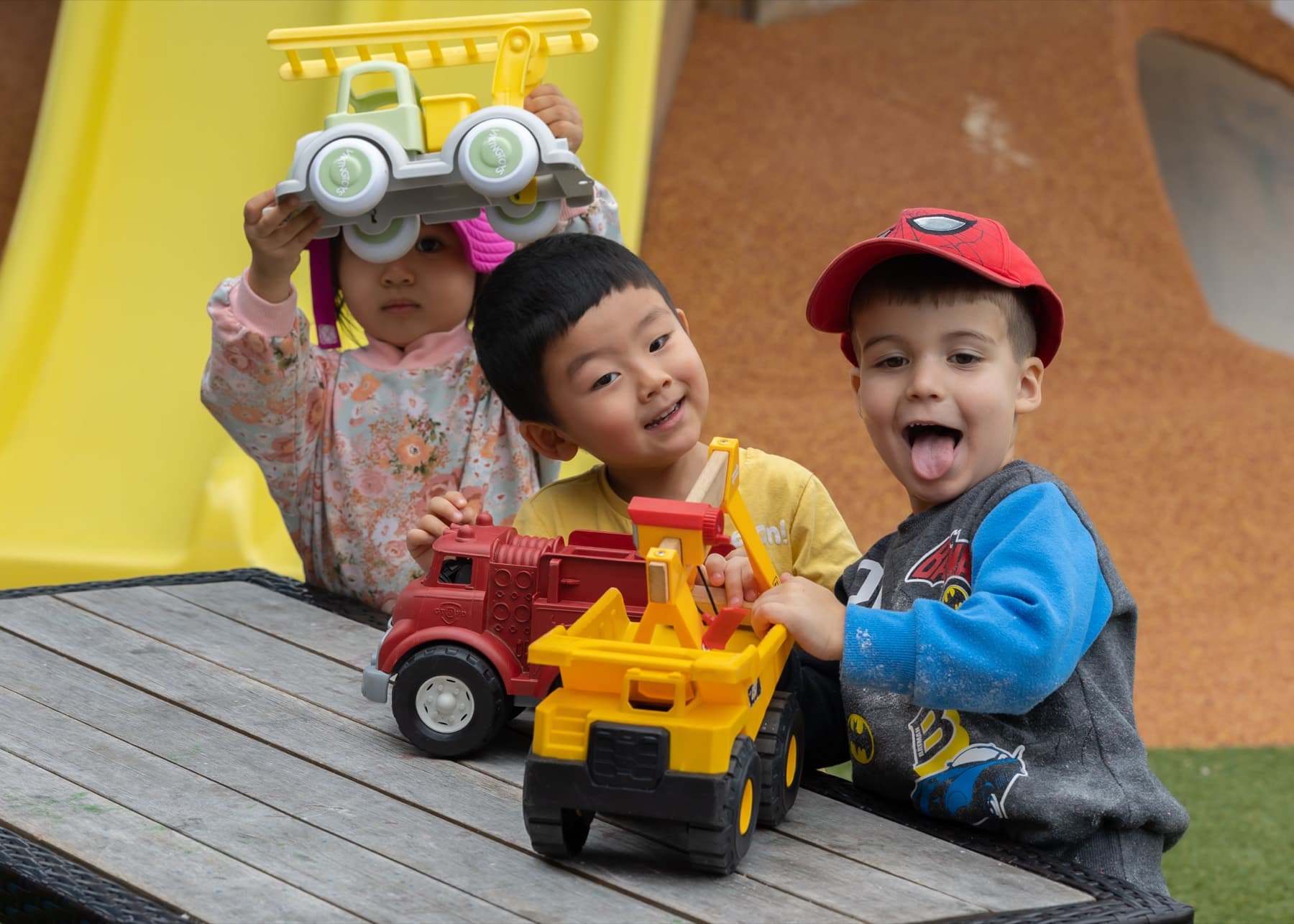
Children laughing together over toy trucks
05

Collaboration

Group work, both large and small, is valuable for development. Children are encouraged to talk, compare, negotiate and problem-solve together, and multiple perspectives build both a sense of group and the uniqueness of self.

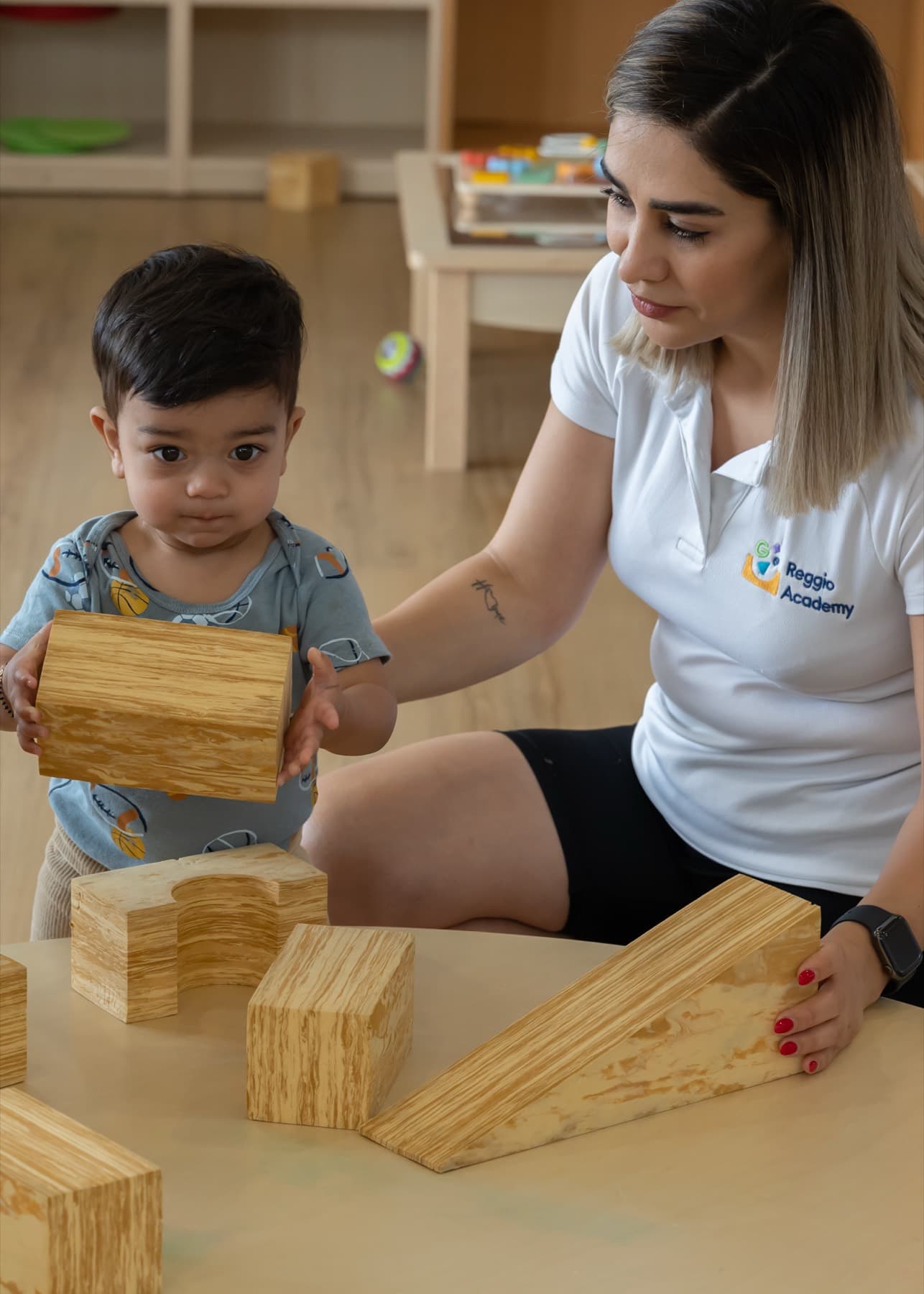
An educator playing with timber blocks alongside a toddler

Pikler in the nursery

Calm, respectful care for our youngest.

Our Pikler-inspired philosophy ensures that babies have their bonding needs lovingly met while they explore at their own pace, develop movement confidence and grow through calm, respectful interactions.

What “Reggio Emilia inspired” means here

  • Children are seen as capable, curious learners
  • Learning is driven by children's interests
  • Educators act as co-learners and guides
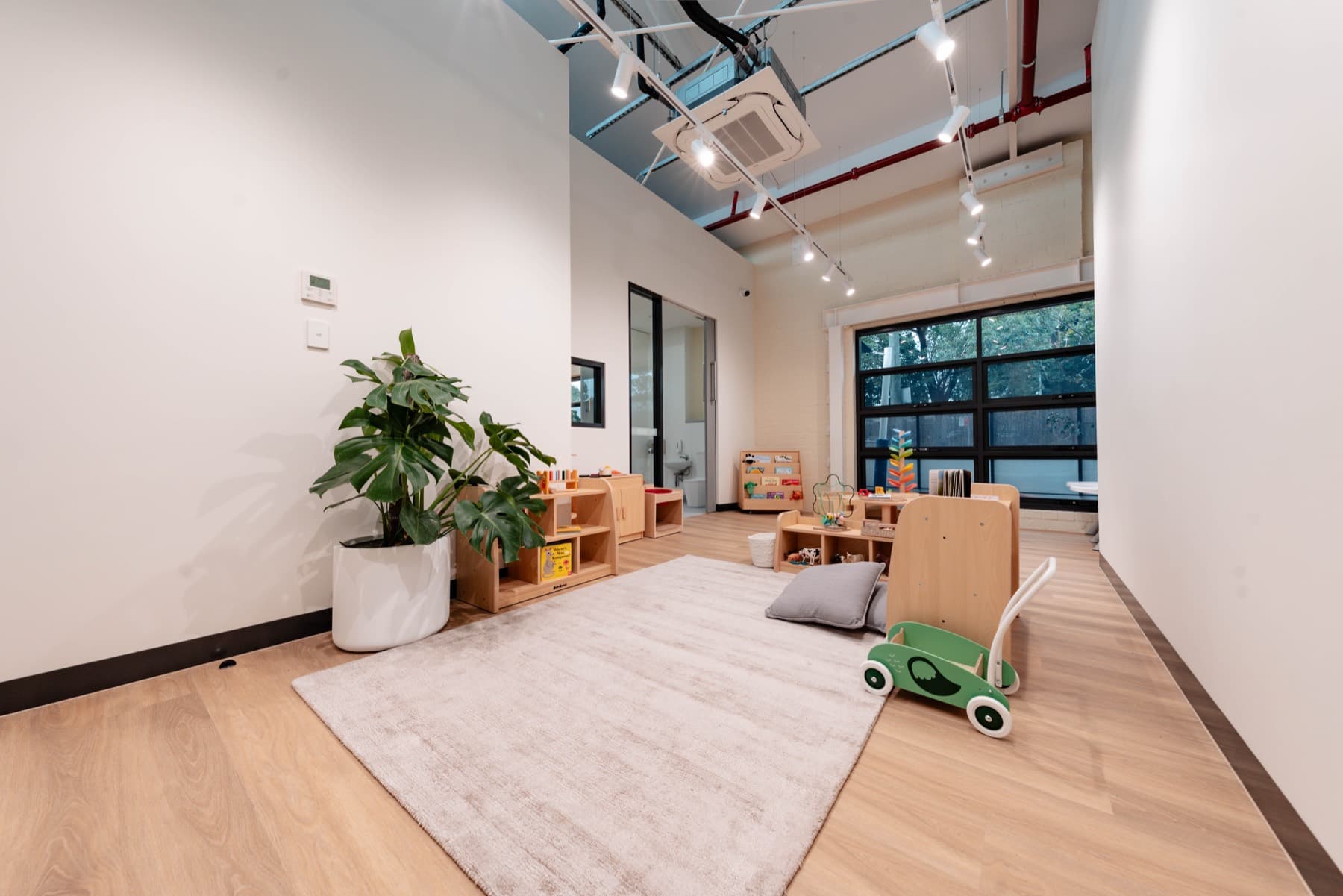
  • The environment is intentionally designed as the “third teacher”

Children’s thinking is made visible through photographs, their own words and their work, and families see it too through regular updates on Xplor.

See our approach in action.

Tours are free, relaxed and take about 30 minutes. Walk through the rooms, meet our educators and ask us everything.

Open 7:30am to 6:00pm, Monday to Friday

Book a free tour Contact